
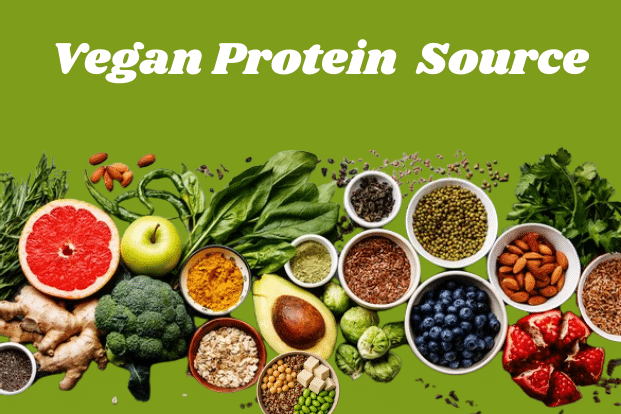
Introduction
Protein is one of the most essential macronutrients for the human body. Building muscle, repairing tissues, forming enzymes and hormones, and keeping overall health intact are functions attributed to protein. Traditionally, it was thought that only animal sources like meat, eggs, and dairy could supply a complete protein. However, this is a myth. A growing number of health enthusiasts, athletes, and even medical professionals now acknowledge that plant-based diets can offer complete and balanced protein sources.
A Vegan Protein Source refers to foods derived entirely from plants that provide essential amino acids required by our bodies. Whether you are an athlete looking to boost performance, a fitness enthusiast building lean muscles, or simply a health-conscious individual, a vegan diet can provide all the protein you need—without animal products.
This blog explores everything about vegan protein sources—from the top 10 high-protein plant foods to breakfast ideas, diet plans, and gym-focused nutrition.
What is a Complete Protein?
Amino acids are the building blocks of proteins. Out of the 20 amino acids, nine are considered important, meaning the body cannot make them on its own and must obtain them from food. It is a complete protein if the food contains all nine of the essential amino acids in adequate amounts.
Since not all plant-based foods contain every amino acid, vegans often need to combine foods strategically to ensure complete protein intake.
- To support muscle growth and recovery
- To maintain healthy skin, hair, and nails
- To boost energy and metabolism
- To strengthen the immune system
- To ensure balanced nutrition without deficiencies
Smart Combinations for Complete Protein
Some plant foods are incomplete proteins but become complete when combined.
Examples:
- Rice + Lentils (Dal-Chawal)
- Whole Wheat Bread + Peanut Butter
- Hummus + Pita
- Corn + Beans
Benefits of Choosing Vegan Protein Sources
- Cholesterol-Free: Unlike animal protein, plant protein does not raise bad cholesterol.
- Gut-Friendly: Rich in fiber that improves digestion.
- Sustainable: Lower environmental impact compared to meat production.
- Weight Management: High satiety and lower calorie density.
Health Benefits of Soy Protein
- Muscle Growth & Fitness Support: - Ideal for gym-goers and athletes.
- Weight Control - Protein + fiber combination reduces overeating.
- Better Digestion - Soy protein is easy to digest.
- Heart Health - Lowering LDL cholesterol and increasing good blood circulation.
- Diabetes Friendly - Helps regulate blood sugar levels.
- Sustainable Choice - Soy is eco-friendly compared to meat production.
Soya vs Other Plant Proteins
| Source | Protein Quality | Complete Protein? | Best For |
|---|---|---|---|
| Lentils | High | ✖ Incomplete | Curries & soups |
| Chickpeas | Moderate | ✖ Incomplete | Hummus, snacks |
| Quinoa | Moderate | ✔ Complete | Salads, bowls |
| Peas | Good | ✖ Incomplete | Protein powders |
| Soya | Excellent | ✔ Complete | All meals |
Clearly, soya stands out as the most practical and affordable complete vegan protein.
Tips for Meeting Your Protein Needs on a Vegan Diet
- Include a variety of protein-rich foods daily.
- Balance meals with grains, legumes, and seeds.
- Try plant-based protein powders if needed.
- Track your daily intake to ensure adequate nutrition.
- Focus on whole foods rather than processed vegan options.
1. Top 10 Vegan Protein Sources
Considering protein, meat and eggs are the first things that people think about. But plants are equally powerful, sometimes even more beneficial, because they provide fiber, vitamins, minerals, and antioxidants alongside protein. The 10 Best Vegan Protein Sources Are:
1. Lentils
Lentils are a powerhouse of protein, providing around 18 grams per cooked cup. They are also rich in iron, folate, and fiber, making them excellent for energy and digestion.
2. Chickpeas (Garbanzo Beans)
With about 15 grams of protein per cooked cup, chickpeas are versatile and can be used in curries, salads, or made into hummus.
3. Quinoa
Unlike most grains, quinoa is a complete protein with all nine essential amino acids. One cooked cup gives 8 grams of protein, along with magnesium, iron, and fiber.
4. Tofu
Derived from soybeans, tofu provides around 10 grams of protein per half-cup serving. It easily absorbs flavors, making it perfect for stir-fries, curries, and even desserts.
5. Tempeh
Tempeh is a fermented soybean product richer than tofu, offering 19 grams of protein per 100 grams. It also contains probiotics, good for gut health.
6. Edamame
These young soybeans pack 17 grams of protein per cup and are a delicious snack or side dish.
7. Seitan
Often called “wheat meat,” seitan is made from gluten and offers 25 grams of protein per 100 grams, making it one of the richest vegan protein sources.
8. Nuts and Seeds
Almonds, peanuts, chia seeds, hemp seeds, and pumpkin seeds are protein-rich, ranging from 5–10 grams per serving, and also contain healthy fats.
9. Black Beans
With 15 grams of protein per cooked cup, black beans are versatile for burritos, soups, and salads.
10. Spirulina
This blue-green algae is a superfood containing 4 grams of protein per tablespoon, along with iron and antioxidants.
2. Vegan Protein Sources for Breakfast
- Tofu Scramble: Protein alternative to scrambled eggs; seasoned with turmeric, onions, and vegetables.
- Oatmeal with Nuts & Seeds: Rolled oats combined with chia seeds, hemp seeds, almond butter, and soy milk for a protein boost.
- Vegan Protein Smoothies: Blend plant-based protein powder with bananas, spinach, almond milk, and peanut butter.
- Quinoa Porridge: A hearty breakfast made with quinoa, almond milk, fruits, and nuts, delivering complete protein.
- Chickpea Pancakes (Besan Chilla): A savory Indian breakfast rich in protein and fiber.
3. Vegan Diet Protein Sources
- Legumes + Grains: Rice and beans, hummus and whole wheat pita, or lentil dal and chapati.
- Nuts + Seeds: Peanut butter on whole-grain bread or chia pudding made with almond milk.
- Soy Products: Tofu, tempeh, and soy milk are complete protein sources and blend well in everyday kitchen recipes.
- Vegetables: Lower in protein content but include spinach, kale, broccoli, and peas in considerable amounts.
- Plant-Based Protein Powders: From peas, hemp, or brown rice, these powders come quite handy for rigorous times.
Depending on the choice of different foods, vegans can surely meet the suggested amount of 50−70 gm of protein for an average adult, while active lifestyles demand more.
4. Vegan Protein-Rich Foods
If you are looking for specific vegan protein-rich foods to include in your grocery list, here are some powerful options:
- Soy Products: Tofu, tempeh, soy milk, soy protein powder.
- Grains: Quinoa, oats, amaranth, and buckwheat.
- Legumes: Chickpeas, lentils, black beans, kidney beans.
- Seeds: Hemp seeds (10 grams protein per 3 tbsp), chia seeds (6 grams protein per 2 tbsp), pumpkin seeds.
- Nuts: Almonds, cashews, peanuts, walnuts.
- Vegetables: Spinach, peas, Brussels sprouts, and kale.
- Superfoods: Spirulina, nutritional yeast (adds cheesy flavor + protein).
5. Veg Protein Sources for Gym
Pre-Workout
- Banana + Peanut Butter: Quick carbs with protein.
- Oats with Soy Milk: Slow-digesting carbs plus protein.
Post-Workout
- Vegan Protein Shaker: Made with pea or hemp protein powder, blended with almond milk and fruit.
- Tofu/Tempeh Stir Fry: High in protein and easy to digest.
- Lentil Soup: Great for recovery, rich in protein and iron.
Snacks for Muscle Building
- Roasted Chickpeas: Crunchy and protein-packed.
- Trail Mix with Nuts & Seeds: A calorie-dense option for bulking.
- Edamame: Perfect protein snack for gym lovers.
Conclusion
Switching to vegan protein sources is not just about nutrition; it’s also about sustainability, compassion, and long-term health. By including a variety of legumes, grains, nuts, seeds, and superfoods, you can enjoy a protein-rich, plant-powered lifestyle that supports both your body and the planet.
FAQs
- Quinoa, soybeans, buckwheat, chia seeds, and hemp seeds are vegan sources of complete protein, providing all nine essential amino acids your body needs.
Histidine, Isoleucine, Leucine, Lysine, Methionine, Phenylalanine, Threonine, Tryptophan, Valine.
Yes ✅ Tofu is a complete protein because it’s made from soybeans, which contain all 9 essential amino acids your body needs. That’s why tofu is one of the best vegan protein sources — it’s versatile, high in protein, low in fat, and great for building balanced meals.
The fruit with the most protein is guava.
- Guava → ~4.2 grams of protein per cup (165 g)
- Other high-protein fruits include:
- Avocado → ~3 g per cup
- Jackfruit → ~2.8 g per cup
- Dried apricots → ~2 g per 100 g
- Raisins → ~3 g per 100 g
👉 So, if you’re looking for a protein boost from fruits, guava tops the list!
Absolutely. Combine foods like tofu + whole grains or peanut butter + oats. Soy milk, quinoa porridge, and chia puddings are also complete protein options.
